An itinerary through history, literature and the landscapes that inspired Alessandro Manzoni’s masterpiece
Some places are meant to be visited, while others are first discovered through the pages of a book. Lecco belongs to the latter. As you stroll through its squares, lakeside promenade and the charming villages that surround it, it is impossible not to think of The Betrothed (I Promessi Sposi), the novel that made this corner of Italy famous around the world.
With the recent reopening of Villa Manzoni and the newly renovated Manzoni Museum, there has never been a better time to explore Manzoni’s Lecco, following in the footsteps of Renzo, Lucia and one of Italy’s greatest literary figures.
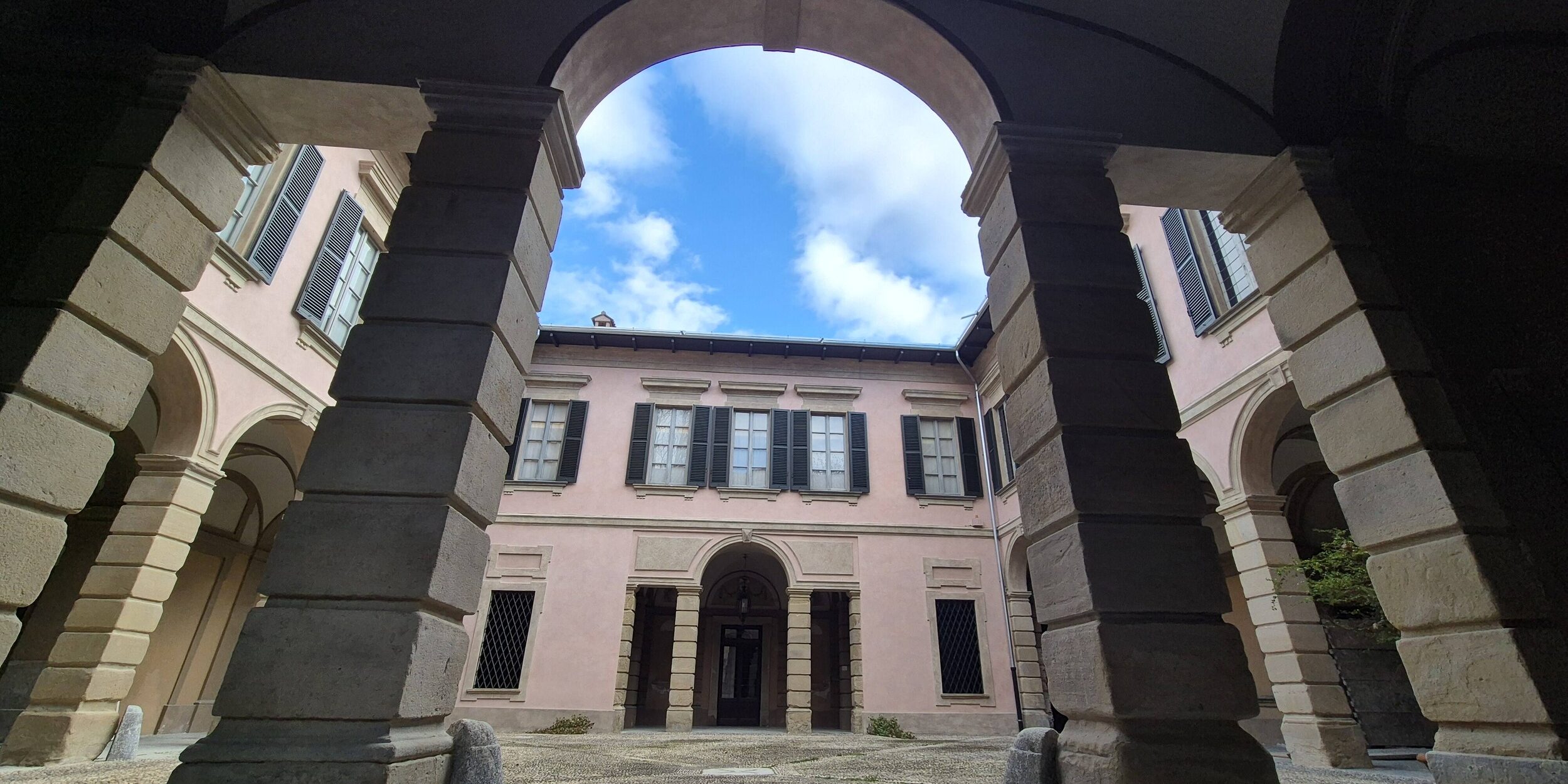
Villa Manzoni and the Manzoni Museum
The perfect starting point is Villa Manzoni, the residence where Alessandro Manzoni spent part of his childhood and youth.
Following an extensive restoration project, the villa has reopened to visitors with renovated spaces and a museum dedicated to the writer’s life and works. The Manzoni Museum houses original furnishings, documents, paintings, books and multimedia installations that illustrate the deep connection between Manzoni and Lecco, with a special focus on his masterpiece, The Betrothed.
A visit offers valuable insight into how the landscapes surrounding Lecco shaped the writer’s imagination and continue to represent one of the city’s most important cultural landmarks.
The famous opening: “That branch of Lake Como…”
Few opening lines in Italian literature are as iconic as the beginning of The Betrothed:
“That branch of Lake Como, which turns towards the south…”
These words describe the Lecco branch of Lake Como, where the lake narrows between Mount Resegone and Mount San Martino, creating one of Lombardy’s most recognisable landscapes.
Even today, a walk along the waterfront in Lecco or nearby Malgrate offers the very same views that inspired Manzoni nearly two centuries ago.
Pescarenico, the district of Friar Cristoforo
One of the places most closely connected with the novel is Pescarenico, the historic fishing district located along the Adda River.
It was here that Manzoni set the convent of Friar Cristoforo, one of the novel’s most beloved characters.
Walking through its narrow streets, admiring its traditional houses and small harbour, visitors can still experience the authentic atmosphere that has remained remarkably unchanged over time.
It is one of the most evocative places in Manzoni’s Lecco and an essential stop for literature lovers.
Mount Resegone, the mountain that defines Lecco
The distinctive silhouette of Mount Resegone appears repeatedly throughout the novel.
Overlooking Lecco, its unmistakable serrated ridgeline has become one of the city’s defining landmarks.
Today it is a favourite destination for hikers and outdoor enthusiasts, while also providing the dramatic backdrop that makes the eastern shore of Lake Como so unique.
Malgrate’s lakeside promenade: the finest view of Lecco
For one of the best panoramic views of Manzoni’s Lecco, simply cross the bridge to Malgrate.
Its elegant lakeside promenade offers breathtaking views of the city, the bell tower of the Basilica of San Nicolò and the surrounding mountains that feature so prominently in the novel.
It is the perfect place for an evening walk, especially at sunset, when the reflections on the lake create one of the most photographed views on Lake Como.
An experience to enjoy at a slower pace
After a day spent exploring Villa Manzoni, Pescarenico and Lecco’s lakeside, the perfect way to end the itinerary is with a well-deserved moment of relaxation.
Just a few minutes from Lecco city centre, Hotel Promessi Sposi in Malgrate is the ideal base for discovering both the city and the surrounding area. After visiting Manzoni’s landmarks, guests can unwind at the HPS SPA Comfort Zone, enjoy a panoramic aperitif at the People Cocktail Bar & Café, or savour a lakeside dinner at the Lisander Restaurant, turning a day dedicated to culture into a complete experience of wellness, fine dining and authentic hospitality.
Source: Comune di Lecco