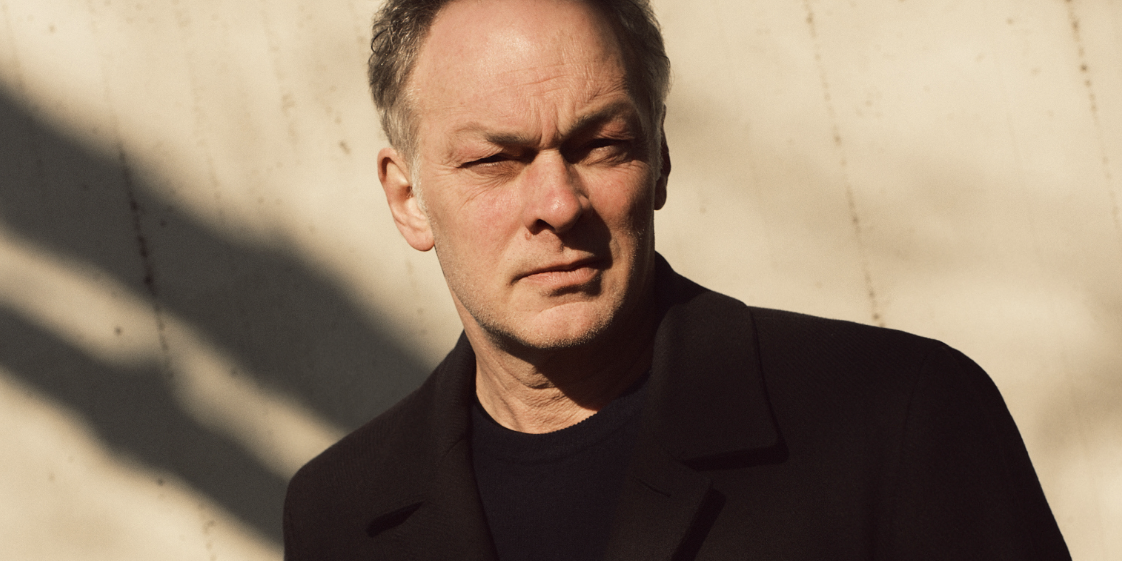
1. Lorenzo, let’s start with Lake Como. If you were to describe it through the eyes of someone who works in design, what kind of place is it?
Lake Como is an extraordinary place, truly unique in the world. It is renowned for having inspired great writers and musicians, but in more modern times it has also developed an exceptional architectural narrative through Rationalism and has welcomed — and equally inspired — major artists and designers such as Gio Ponti, Ico Parisi, Richard Sapper, who spent the final years of his life in Musso in the house designed for him by his friend Marco Zanuso in 1972, and Gino Sarfatti, who, after selling Arteluce, retired to Griante to devote himself to his stamp collection.
We should also remember the area’s close connection with the textile industry and Brianza, the manufacturing district that helped make Italian interior design famous around the world. It was precisely this encounter between craftsmanship and landscape, together with the area’s remarkable artistic and natural heritage, that inspired the idea of creating a design festival nine years ago.
2. Lake Como has a very strong international image, associated above all with its landscape, historic villas and luxury. What can design add to this narrative?
Design can offer the experience of seeing and experiencing these places through new eyes, creating points of connection and fresh perspectives between the area’s architectural and artistic heritage and international creativity.
3. Lake Como Design Festival brings contemporary projects into historic palaces, villas and places with a very specific identity. How does the dialogue between a work and the space hosting it come about?
Precisely in order to create this encounter between history and contemporary culture, every year we select a relevant theme that inspires us and can contribute to creating a unique experience for visitors.
4. This year, the Festival is also expanding towards Lecco. What inspired you to move beyond Como, and what creative and cultural potential do you see on the eastern shore of the lake?
We were driven by the idea of increasingly presenting Lake Como as a single destination, where different landscapes, traditions and forms of expertise coexist. We believe its uniqueness lies precisely in these differences, all of which come together around the same lake.
Photo credit Virginia Guiotto
5. On the eastern shore, Hotel Promessi Sposi will host Bosco Sacro by Laura Santamaria, a site-specific installation in which clay, terracotta and wood encounter contemporary architecture. Why did you choose this project for this particular space, and what kind of dialogue do you expect to emerge between the artwork and the hotel?
Laura Santamaria’s work explores the dialogue between the visible and the invisible, between the earthly dimension and a sense of cosmic tension. We believe the geographical setting of Hotel Promessi Sposi has a contemplative, almost suspended quality, with an extraordinary view of the majestic mountains rising from the calm waters of the lake. This powerful dialogue between water and rock inspired us to choose this project for the space.
6. Lake Como is not only about its landscape: it is also an area with a strong manufacturing, artisanal and industrial culture. How important can this local know-how still be as a resource for contemporary design?
I would say it is fundamental. New connections and opportunities emerge precisely through open, international dialogue. Textile and artisanal expertise, together with the metalworking and mechanical know-how that is particularly characteristic of the Lecco area, create opportunities for exchange and collaboration, bringing together creative thinking and manufacturing capabilities with histories that are deeply rooted in the territory.
7. If you had carte blanche to imagine a design project capable of telling the story of Lake Como today, where would you create it and what story would you want it to tell?
We have always had carte blanche, but the greatest challenge is creating a network and getting everyone to work together: it requires passion and perseverance. I believe that only through a shared, coordinated approach can we truly convey the diversity of this territory. I see this first step towards Lecco as a strong and tangible signal in that direction.