From Taleggio to alpine cheeses, from traditional cheesemaking techniques to local dishes: a journey through the flavours of Valsassina, in the heart of the mountains surrounding Lecco.
Just a few kilometres from the shores of Lake Como, the landscape changes dramatically. Leaving Lecco and heading towards Valsassina, the lake gives way to meadows, mountain pastures, forests and small villages at the foot of the Grigne mountains.
For centuries, livestock farming and cheesemaking have played an important role in the local economy and culture. Here, cheese is much more than a food product: it is the result of traditions passed down through generations, closely connected to the mountains, the work of farmers and the changing seasons.
From well-known cheeses to small-scale artisanal products, Valsassina preserves a rich culinary heritage that reveals another side of the Lecco area.
Valsassina: a valley with a long cheesemaking tradition
Valsassina stretches behind Lecco, between the Grigne mountain range and the foothills of the Lombardy Prealps. Villages such as Ballabio, Pasturo, Introbio, Barzio and Primaluna still maintain strong ties to agriculture and pastoral traditions.
The abundance of mountain pastures, together with natural caves and cool environments suitable for cheese maturation, has encouraged the development of a particularly important cheesemaking tradition over the centuries.
During the 19th and 20th centuries, the valley became a recognised centre for cheese production and ageing, with artisan producers and established companies helping to bring its products to markets beyond the local area.
Today, alongside larger businesses, small producers continue to preserve the connection between livestock farming, the local environment and the quality of raw ingredients.
Taleggio: one of the region’s most iconic cheeses
Among the cheeses most closely associated with Lombardy’s culinary heritage is Taleggio PDO, a soft, washed-rind cheese known for its creamy texture and distinctive aromatic flavour.
Its origins are linked to the valleys around Bergamo, but Valsassina has played an important role in the history of its ageing and distribution.
The valley’s naturally cool and humid conditions have encouraged the development of maturation techniques that give cheeses their distinctive characteristics.
Today, Taleggio is used in a wide variety of dishes, from risottos to polenta-based recipes, but it can also be enjoyed on its own, accompanied by rustic bread.
Alpine cheeses and small local producers
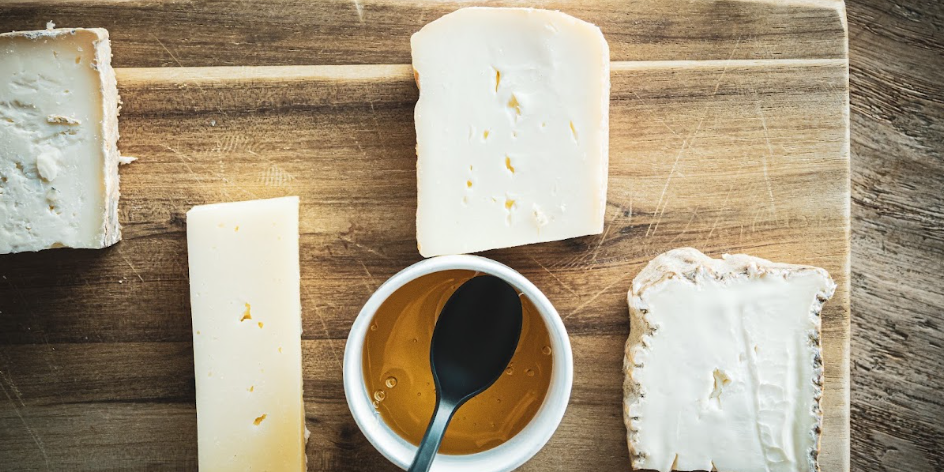
Alongside Taleggio, Valsassina’s cheesemaking tradition includes a wide variety of cheeses made from cow’s and goat’s milk.
These include stracchino, fresh and aged goat’s cheeses, robiola and alpine pasture cheeses, each with different textures, intensities and aromatic characteristics.
Summer production in the mountain pastures is particularly interesting, when herds are taken up to higher altitudes to graze. The animals’ diet, influenced by the vegetation of the alpine meadows, contributes to the distinctive qualities of the milk and the cheeses produced from it.
Cheesemaking therefore remains a tradition closely connected to the landscape and the lives of mountain communities.
From rural traditions to local cuisine
Valsassina cheeses are also central to many traditional mountain recipes, developed around simple, nourishing and readily available ingredients.
One of the best-known combinations is polenta served with melted cheese, often accompanied by meat or mushroom dishes.
Another speciality deeply rooted in Lombardy’s culinary tradition is polenta taragna, made with cornmeal and buckwheat flour and enriched with butter and cheese.
Other traditional preparations include gnocchi, stuffed pasta and oven-baked dishes, where local cheeses add rich and distinctive flavours.
These recipes reflect a cuisine shaped by the practical needs of mountain life and continue to feature on the menus of local trattorias and restaurants.
The producers keeping Valsassina’s cheesemaking tradition alive
Valsassina’s cheesemaking heritage continues thanks to historic companies and artisan producers who preserve techniques and knowledge passed down through generations.
In Pasturo, Mauri Formaggi, founded in 1920, is one of the valley’s most established names, also known for ageing cheeses in natural caves at the foot of the Grigna mountains. Also in Pasturo, Carozzi Formaggi has been promoting the valley’s cheese specialities for more than fifty years, offering tastings and guided visits that introduce visitors to local cheesemaking traditions.
In Introbio, Gildo Formaggi continues a family tradition of producing and ageing typical Lombardy cheeses, while Doniselli Formaggi, based in Pasturo, represents another example of local artisanal production, with specialities such as the traditional Pasturelli cheeses.
These different producers all contribute to preserving a culinary heritage deeply rooted in the history and identity of Valsassina.
Discovering Valsassina through its flavours
For visitors staying on the eastern branch of Lake Como, Valsassina is an easily accessible destination, ideal for spending a day discovering local culinary traditions.
From Lecco and Malgrate, the first villages of the valley are just a short distance away, offering opportunities to visit dairies, specialist cheese shops and local producers.
Buying cheese directly from its producer, learning about different ageing techniques or discovering a traditional recipe are all ways to connect with the region’s identity.
A visit can also be an opportunity to explore the valley’s villages and discover a landscape that, despite being so close to the lake, has a character entirely of its own.
A Culinary heritage worth preserving
Valsassina’s cheesemaking tradition tells a story of craftsmanship, knowledge passed down through generations and a close relationship with the mountain environment.
From summer grazing in alpine pastures to traditional ageing techniques, every stage of production reflects a connection with the land that remains an essential part of local culture.
Discovering the cheeses of Valsassina means exploring another expression of the identity of Lake Como and the Lecco mountains, through flavours that preserve centuries of tradition.